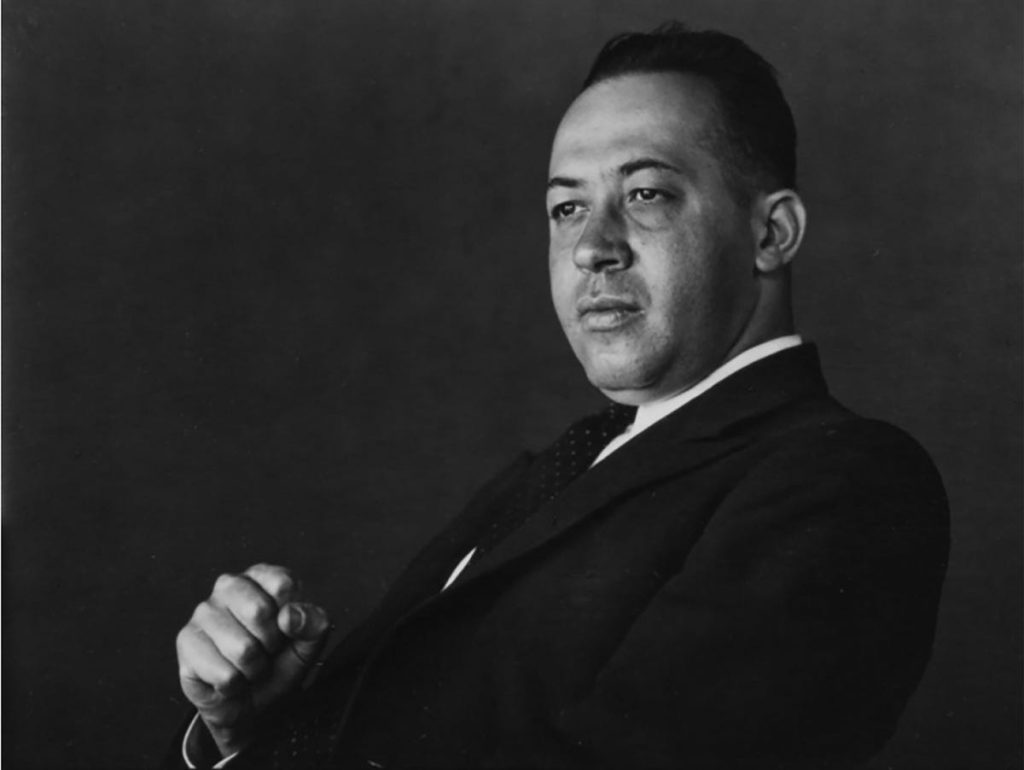
For Alta, I wrote about Langston Hughes’s time in Carmel, California in 1933. As a Communist and a black man, he became the target of Conservative aggression and violence. So he wrote his short story collection The Ways of White Folks.
In 1933, the poet Langston Hughes came to Carmel-by-the-Sea to write. A wealthy patron had offered him a cabin near the beach where he could live for a year, rent-free. Hughes had risen to literary stardom during the Harlem Renaissance of the 1920s for his lyrical poetry about the Black experience in America. He had written many of those poems, such as “The Negro Speaks of Rivers,” while still a teenager. Now 31, Hughes was well-known yet struggled to support himself by his published work alone. Carmel, he hoped, would bring productivity and peace.
His arrival coincided with a time of upheaval in California. The divide between the left and the right was deepening as a result of the collapsing economy, labor strikes, and an influx of migrants fleeing the Dust Bowl. Hughes, who’d spent most of 1932 touring the Soviet Union, was embraced by Carmel’s left-leaning artists and writers, especially the poet Robinson Jeffers and the muckraker journalist Lincoln Steffens. While Hughes’s sojourn started well, with picnics, cocktail parties, and focused days of work, a political conflict was looming in Carmel. It would end, as Hughes put it, with “vigilantes knock[ing] at my door.”